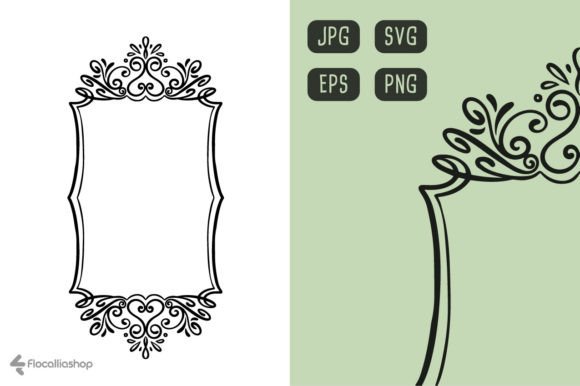
Designing with Nature: The Power of Wedding Plant Vector Art
There’s a reason floral and botanical elements have been a cornerstone of design for centuries. They evoke emotion, symbolize growth, and bring an organic, timeless quality to any project. In the world of modern design, particularly for events like weddings, the use of Wedding Plant Decoration Vector Art has become a game-changer. It’s not just about pretty leaves; it’s about harnessing a specific visual language that communicates elegance, freshness, and meticulous attention to detail. For a designer, a small business owner crafting their brand identity, or a content creator looking to elevate their feed, these botanical assets offer a versatile foundation that feels both classic and contemporary.
More Than Just Greenery: The Visual Appeal of Botanical Vectors
What makes a collection of vector art centered on wedding plants so compelling? It’s the combination of precision and artistry. Unlike a simple photograph, a well-crafted vector illustration distills the essence of a plant—its delicate veins, the curve of a petal, the gentle sway of a fern—into clean, scalable lines. This style often sits beautifully between realism and abstraction, making it incredibly adaptable. You might find a premium font pairing that uses a serif font for elegant headings and a sans serif font for clean body text, but the plant art provides the visual texture that ties everything together.
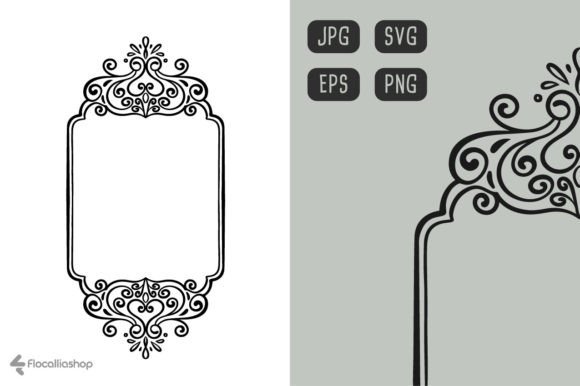
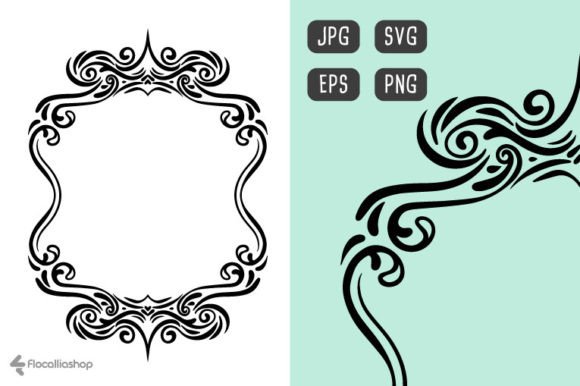
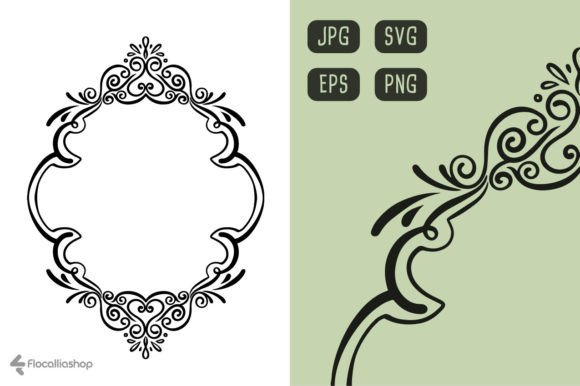
The appeal lies in its inherent versatility. A single olive branch illustration can be used as a standalone logo mark, a repeating pattern for packaging design, or a delicate border for a wedding invitation. The visual consistency this provides is invaluable. When you use the same stylistic family of botanical vectors across your social media graphics, your website, and your print materials, you create a cohesive world that your audience instantly recognizes. This is the bedrock of strong brand recognition.
Practical Applications: From Brand Identity to Digital Storefronts
Let’s move beyond the theoretical. How do you actually use this kind of design asset in your projects? The applications are surprisingly broad, touching nearly every corner of visual communication.
For a wedding planner or a stationery business, these vectors are the core of the product. They transform a simple save-the-date into a piece of art. Imagine a script font for the couple’s names, accented by a subtle, line-art wreath of eucalyptus. For logo design, a simplified version of a plant motif can become a timeless, recognizable symbol. A boutique hotel might use a monstera leaf icon in its branding, applied consistently across its menu, website, and room key cards.
In the realm of editorial design and publishing, botanical vectors can break up dense text, create elegant section dividers, or add thematic flair to a magazine layout about sustainable living or gourmet cooking. For web design, they can serve as subtle background elements, loading animations, or icons that guide user navigation with a natural touch.
The list of uses is practically endless:
- Digital Products: Use them in printable wall art, digital planners, or social media template kits.
- Marketing Assets: Enhance email newsletters, webinar slides, and promotional flyers.
- Merchandise: Apply patterns to tote bags, notebooks, or phone cases.
- Packaging: Design labels for artisanal goods, cosmetics, or wedding favors.
Integrating Botanical Art into Your Design Workflow
Simply having a file of beautiful plant vectors isn’t enough. The magic happens in the integration. The first step is always to review the included font styles or, in this case, the vector file formats and layers. Are the elements on separate layers for easy customization? Are they provided in formats compatible with your software, like SVG for web or AI for print?
Next, consider font pairing. This is where your project’s personality truly comes to life. The clean, geometric nature of most botanical vectors pairs exquisitely with a range of typefaces. A modern, minimalist display font can create a striking contrast with intricate foliage. Conversely, a gentle handwritten font can amplify the organic, personal feel of the art. The goal is balance—let the typography and the art support each other without competing for attention.
Readability considerations are paramount. If you’re placing text over a dense botanical pattern, ensure there is sufficient contrast. Often, using the vectors as framing elements—along borders, in corners, or as standalone icons—is more effective than overlaying text directly. Test your designs at different scales. A pattern that looks lovely on a business card might become overwhelming on a billboard.
Choosing the Right Style for Your Project's Goal
Not all botanical vector art is created equal. The style you choose should directly serve your project’s objective. Are you aiming for a luxurious, high-end feel? Look for vectors with detailed linework, perhaps inspired by vintage botanical illustrations. For a more modern, airy aesthetic, seek out minimalist single-line drawings or abstract, geometric interpretations of plants.
Think about the typeface ecosystem you’re building. If your brand uses a strong, bold serif font, you might choose vectors with a bit more weight and detail to match. If your identity is built on a light, sans serif font, delicate and sparse line art will likely harmonize best. This alignment between your typographic choices and your illustrative assets is what creates a truly professional and polished presentation.
Finally, always check the commercial licensing terms. Whether you’re a freelancer creating designs for clients or a business owner building your own brand, understanding what you can and cannot do with the asset is critical. Look for licenses that cover your intended use, whether it for digital products, physical merchandise, or client work. A clear license is a sign of a professional design asset provider and gives you the confidence to use the work broadly.
In the end, incorporating Wedding Plant Decoration Vector Art into your toolkit is about embracing a design element that is both beautiful and deeply functional. It connects your work to nature, communicates care and sophistication, and provides a flexible visual system that can grow with your brand or project. It’s a practical choice that delivers real aesthetic and strategic value, helping you craft visuals that don’t just look good, but feel intentional and resonant.