Watercolor Flower Wedding Invitations: A Designer's Guide
There’s a moment in wedding planning where the abstract becomes tangible—the invitations. For designers and creative entrepreneurs, this is more than a task; it's the first narrative touchpoint for a couple's story. Watercolor flower wedding invitations offer a uniquely versatile foundation for this narrative, blending organic artistry with digital precision to create stationery that feels both personal and professionally polished.
The Allure of Organic Artistry in a Digital Design
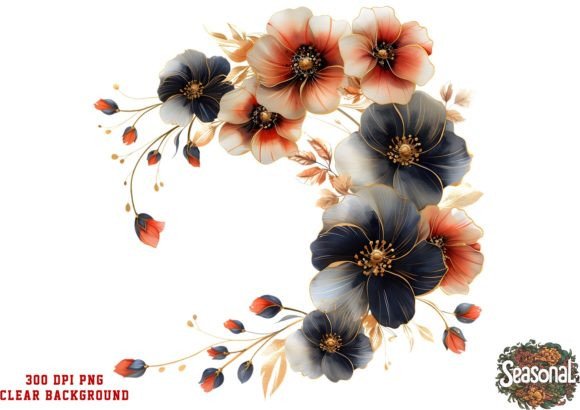
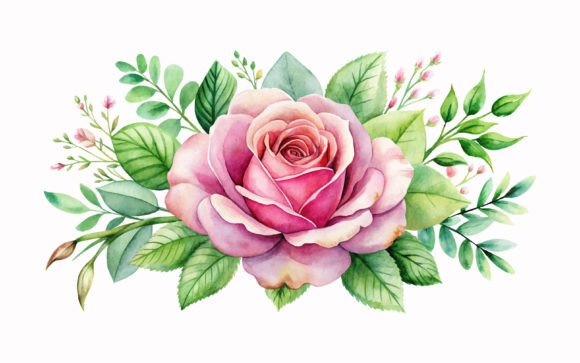
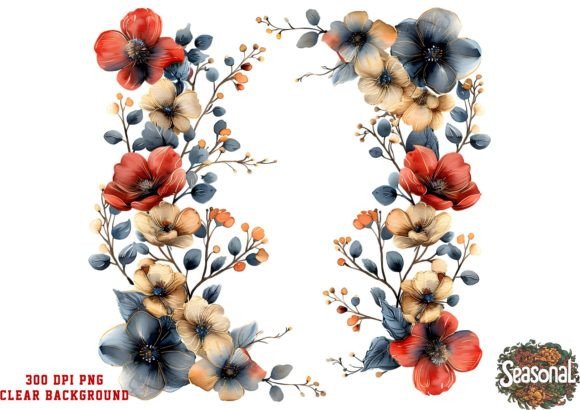
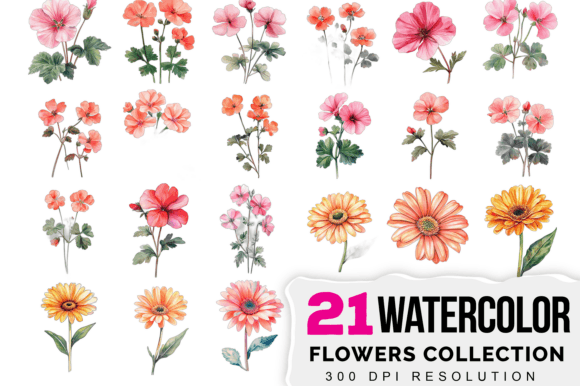
What makes these hand-painted watercolor elements so compelling is their inherent imperfection. Unlike rigid vector graphics, each petal and leaf carries the subtle variation of a brushstroke, introducing texture, depth, and a sense of human touch. This organic quality instantly elevates a design from merely informative to emotionally resonant. The translucent layers of pigment create a soft, romantic aesthetic that can be adapted to various wedding themes, from rustic garden parties to elegant ballroom affairs. The beauty of high-resolution PNG files with transparent backgrounds lies in their flexibility. They act as sophisticated design assets, ready to be layered, recolored, and integrated into any layout without the hassle of removing unwanted backgrounds.
Practical Applications Beyond the Wedding Suite
While the primary application is clear, the utility of these floral elements extends far beyond a single event. For small business owners and content creators, this collection is a versatile toolkit for branding and marketing materials. Consider a boutique florist using a delicate peony cluster as a recurring motif in their logo, packaging, and social media graphics. A wellness brand could employ soft rose arrangements to enhance the visual identity of their website and print brochures, reinforcing a message of natural care and serenity. The applications are vast:
- Brand Identity: Build a cohesive visual language for businesses in beauty, wellness, fashion, or lifestyle sectors.
- Editorial & Packaging Design: Add elegant flourishes to magazine layouts, book covers, or product packaging for a premium feel.
- Digital Products & Marketing: Design stunning lead magnets, email headers, or Instagram stories that capture attention and build brand recognition.
- Merchandise & Print-on-Demand: Create beautiful prints, stationery sets, or home decor items for an online store.
Integrating Florals into a Cohesive Visual Strategy
The key to using decorative elements effectively is strategic restraint. A watercolor bloom can dominate a design if not balanced properly. The goal is to use these assets to support your typography and core message, not overwhelm it. For a wedding invitation, this might mean framing the couple's names with a subtle floral border. For a brand style guide, it could involve using a small, consistent floral icon as a section divider. Always consider the hierarchy of information. The flowers should guide the eye toward the most important text, not compete with it. When selecting a font to pair with these organic elements, contrast is your friend. A clean, modern sans serif font can provide a crisp counterpoint to the flowing watercolor shapes, ensuring excellent readability. Alternatively, a classic serif font can enhance the timeless, elegant feel.
Making the Most of Your Digital Assets
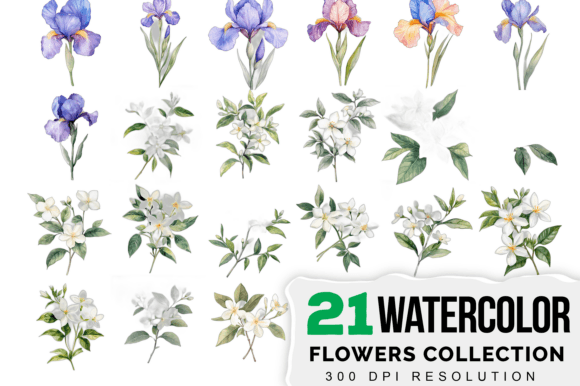
Before diving into a final design, take time to explore the full suite of elements you’ve received. A quality collection will offer variety—in flower types, arrangement styles, and color palettes. Test how different elements interact. Does a loose, scattered bouquet work better for a casual blog header than a formal, symmetrical arrangement? Experiment with opacity and layering modes in your design software to create unique effects. Remember, the commercial license typically included with such assets allows you to use them in projects for clients and for sale, but always review the specific terms to ensure your intended use is covered. This transforms a simple purchase into a long-term investment in your design toolkit.
Ultimately, watercolor flower wedding invitations represent more than just a trend; they are a bridge between traditional craftsmanship and contemporary digital design. By understanding how to harness their aesthetic strengths and apply them with thoughtful design principles, you can create work that doesn't just look beautiful, but also tells a compelling visual story, strengthens brand identity, and engages your audience on a deeper level. The true value lies in their adaptability—whether you're crafting a once-in-a-lifetime invitation or building a lasting visual brand, these assets provide a foundation of timeless elegance and creative possibility.